



Supporting student development through Health and Wellbeing
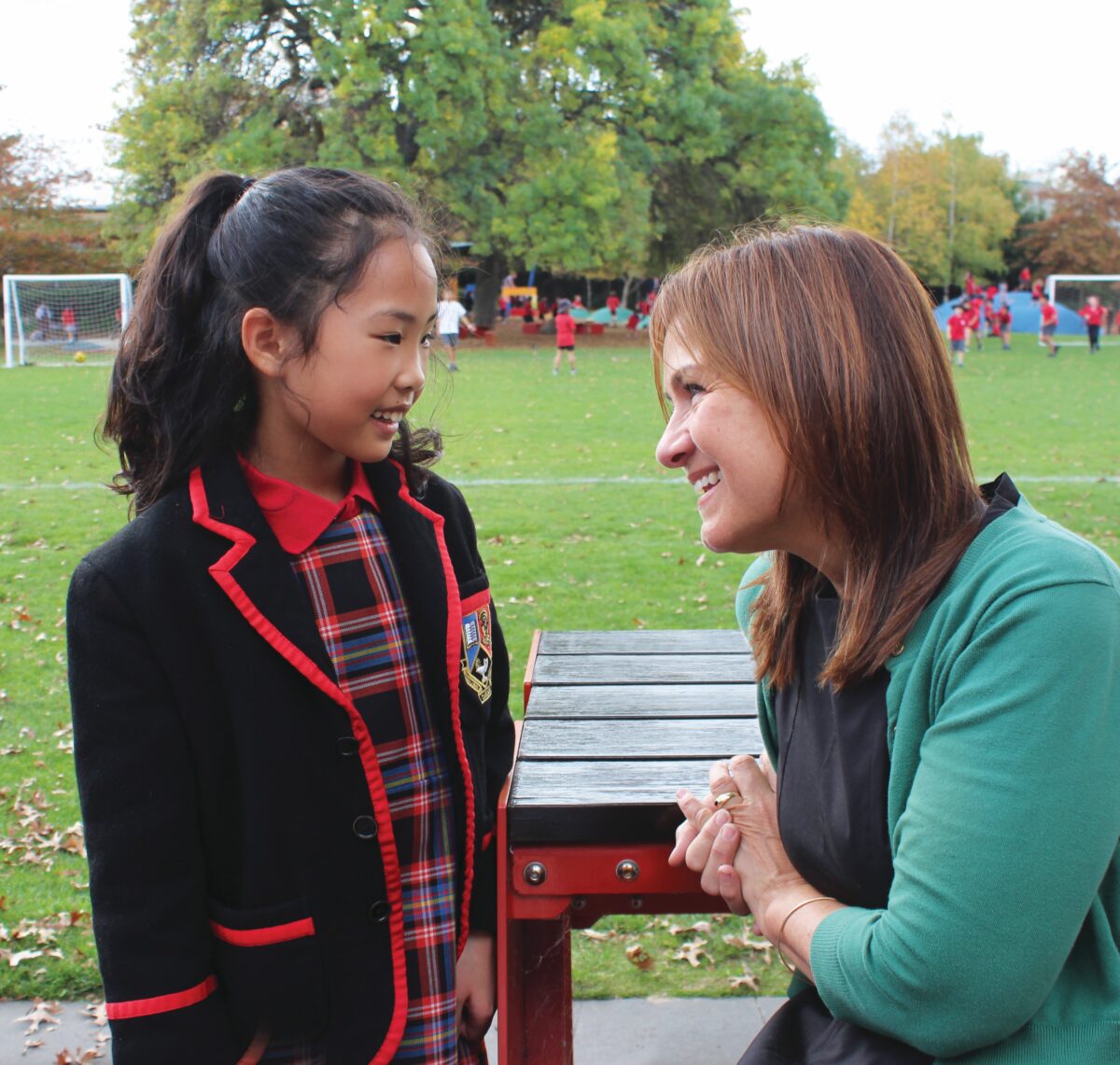
Amy and Jeannie Jamieson
To support students through every age and stage of their school journey, Clarendon’s Student Development Pathway maps student progress and growth across the three important domains of identity, relationships and self-management – that is, how students understand themselves, connect with others and navigate everyday life both within and beyond the school grounds.
Health and Wellbeing sessions make important contributions to student’s journey along the Student Development Pathway. At the Mair Street campus, Health and Wellbeing takes place during a full period on Friday afternoons, while at Sturt Street it is delivered through weekly House sessions. While many topics are revisited to allow for deeper exploration, some complex subjects require additional time and resources. As a result, students in Years 5-12 are trialling a full lesson once a term dedicated to Health and Wellbeing.
“All of our interactions relate to students’ developing along the Student Development Pathway,” said Head of Student Development, David Struth. “Specific knowledge and skills are addressed in the Health and Wellbeing curriculum, such as how to care for yourself and others, and how to positively contribute to the community.”
Topics covered during Term 1 included ‘what builds positive connection’, ‘how social media can be manipulative’ and ‘taking control of your dopamine loop’. Sessions were also open to staff across the school. The dedicated lesson allows both students and staff more time to explore these complex topics, engage in collaborative discussions and connect with external experts from the community, such as Headspace, who may contribute to or lead sessions.
“Aside from their safety, there is nothing more important in a school than a students’ development,” said Mr Struth. “If you don’t have students who are able to develop socially and emotionally, then their academic development becomes irrelevant. These sessions help provide them with knowledge that will support them across the three dimensions of their development – identity, relationships and self-management – which must develop simultaneously for students to become functioning, happy and productive members of society.”
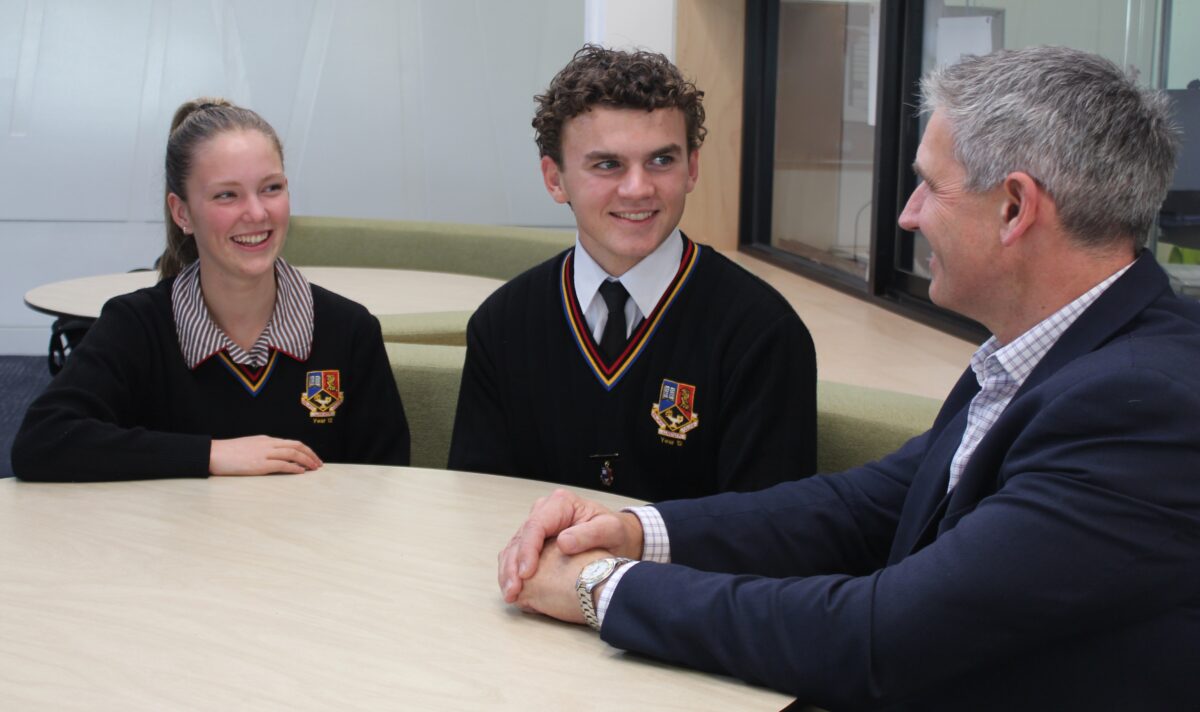
Ada, Oliver and David Struth
The Student Development Executive Group, comprising members of the welfare team, the Principal and Heads of School meet regularly to discuss current issues within the school and broader community, helping inform priority topics within the Health and Wellbeing curriculum. The group also ensures the program is responsive to each stage of development, from students in the 3-Year-Old Early Learning Centre through to Year 9 students at Yuulong and Year 12 students preparing for life beyond school.
“My moral purpose as an educator and leader at the Junior School is to ensure our students have the opportunities to be equipped with all the things they need to live a joyful, successful and purposeful life,” said Head of Junior School, Jeannie Jamieson. “The most powerful way we can support students to live joyful, successful and purposeful lives is by fostering agency and helping them understand that they have ownership over their choices, learning and aspirations, while also learning to respect the autonomy and perspectives of others.”
In the same way students are supported, staff work alongside families, recognising that student development is a shared journey. In 2024, Clarendon launched its partnership with SchoolTV, a resource for parents and families to access additional evidence-informed materials on topics including cyber safety, mental health, diversity and inclusion. When relevant topics are addressed in Health and Wellbeing sessions, links to SchoolTV resources are shared with families so they can understand what their children are learning and access support when needed.
“Every moment is an opportunity to reinforce the learning within our Health and Wellbeing curriculum,” said Ms Jamieson. “We aim to support students to regulate themselves, while guiding them in developing these strategies. Whether they leave us at the end of Year 2 or Year 12, we want them to have the skills to build relationships, care for themselves and contribute positively to their community. That is what underpins our Health and Wellbeing curriculum.”
School TV is accessible to current families via the Hub homepage.